Voyage
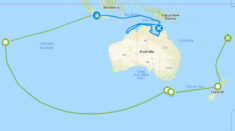
Abel Janszoon Tasman Interactive Map
Abel Janszoon Tasman’s explorations across the Indian Ocean and into the South Pacific helped him become the first European to discover Tasmania, and confirm Australia as an island continent.
Abel Janszoon Tasman’s explorations across the Indian Ocean and into the South Pacific helped him become the first European to discover Tasmania, and confirm Australia as an island continent.
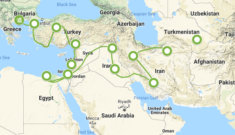
Alexander the Great was a conqueror who also explored many of the lands he ruled over
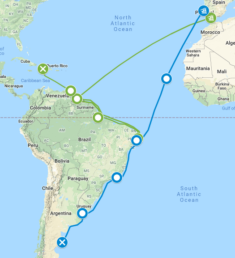
Amerigo Vespucci’s voyages across the Atlantic helped prove that Columbus did not reach Asia, but instead found a New World to the Europeans
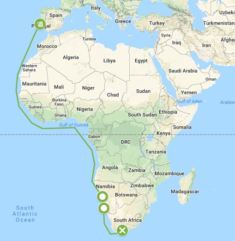
Bartolomeu Dias proved for Europeans that Africa is not connected to the bottom of the world, and that the Atlantic and Indian Oceans connect; thus opening a faster trade route to India
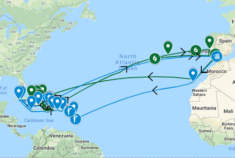
Christopher Columbus sailed west across the Atlantic Ocean searching for a new sea route to the spices in India. He never made it to Asia, but instead discovered a “New World” to Europeans.
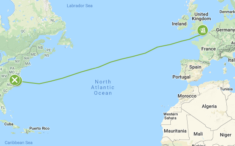
Christopher Newport was among the first to the Jamestown Colony in 1607, and through his voyages, resupplied the colony to help keep it growing and sustained
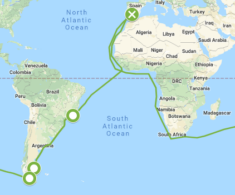
Ferdinand Magellan is credited for making the first European voyage around the globe
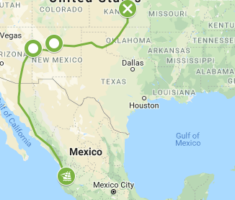
Francisco Coronado was one of the first Europeans to heavily explore the southwest portion of North America for the Spanish Empire
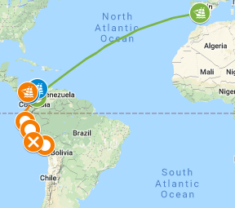
Francisco Pizarro’s voyages gave Spain a strong grip in the New World by conquering the Inca Empire and claiming much of South America for the Spanish Empire
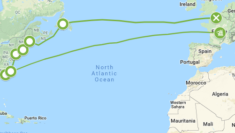
Giovannia da Verrazzano’s voyages took him along most of the eastern coast and surrounding waterways of North America
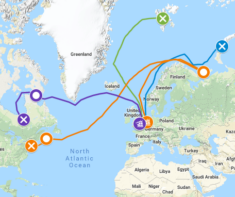
Henry Hudson made several voyages along upper North America and into the Arctic while searching for the Northwest Passage route to Asia
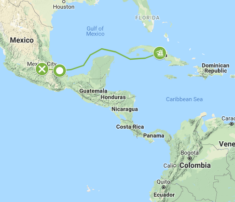
Hernando Cortes sailed from Spain to the Caribbean and then eventually to Mexico where he went on to conquer the Aztec Empire
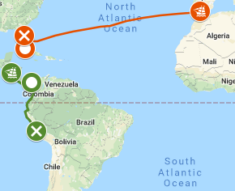
Hernando de Soto explored and conquered parts of Central and South America, and became credited as the first European to cross the Mississippi River in North America
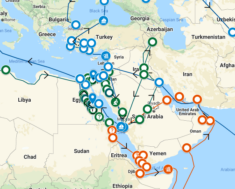
Ibn Battuta travels took him through much of the Islamic world, Africa, and into many parts of the east, including Central and Southeast Asia, India, and China.
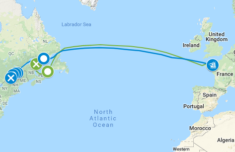
Jacques Cartier’s voyages across the Atlantic Ocean brought him to northern North America which he claimed for France and named “Canada, and explored much of the St. Lawrence River
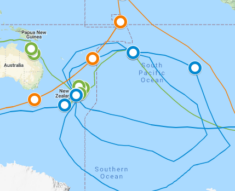
James Cook explored much of the Pacific Ocean, and became the first European to discover the Hawaiian Islands, already inhabited by Polynesians
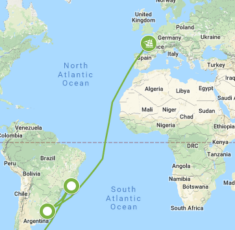
Jeanne Baret unknowingly became the first woman to circumnavigate the globe while working as a botanist collecting and studying plants around the world
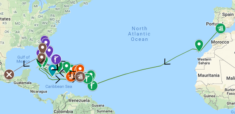
Juan Ponce de Leon sailed and explored the southern east coast of North America for Spain, and gave “Florida” its name
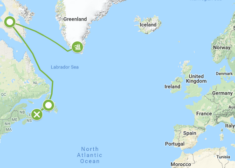
Leif Eriksson managed to reach North America nearly 500 years prior to Christopher Columbus
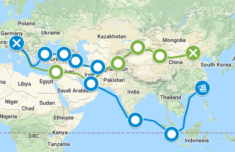
Marco Polo traveled along the famed trading route to China called the Silk Road, and went on to explore and document many parts of Asia not well known to Europeans
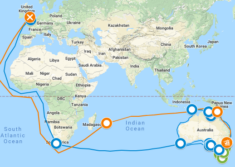
Matthew Flinders’ expeditions lead to the discovery that Australia was not part of a larger land mass, but was its own island continent, which he mapped and became the first European to circumnavigate
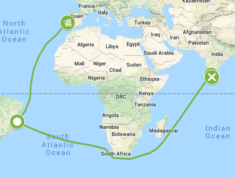
Pedro Álvares Cabral claimed Brazil on the eastern side of South America for Portugal
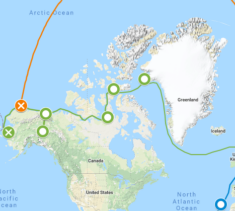
Roald Amunsen’s Arctic and Antarctic expeditions took him to some of the farthest places on earth still not yet discovered, including the South Pole
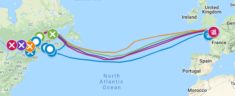
Samuel de Champlain took several voyages to Canada, where he mapped the St. Lawrence River and became the first European to discover the Great Lakes
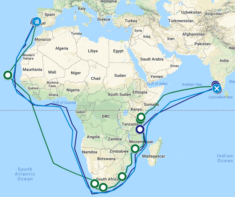
Vasco da Gama was the first European to reach Asia by sailing around the southern tip of Africa
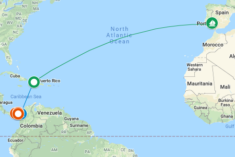
Vasco Nuñez de Balboa not only explored parts of South America, became he became the first European to reach the Pacific Ocean
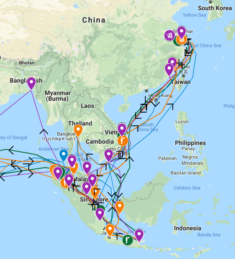
Zheng He took seven major voyages throughout Asia and to parts of Africa, making him one of China’s greatest explorers