Ship
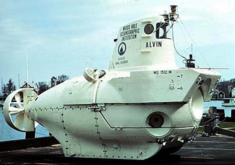
Alvin
Alvin was the first manned deep-sea submersible – a vessel capable of taking crew down to the ocean floor.
Alvin was the first manned deep-sea submersible – a vessel capable of taking crew down to the ocean floor.
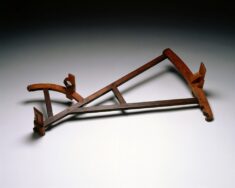
Similar to a cross-staff, the backstaff uses the shadow of the sun instead of the direct view of the sun to obtain the altitude.
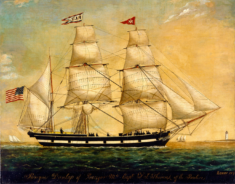
Large, multi-masted barques transported cargo and goods on ocean voyages.
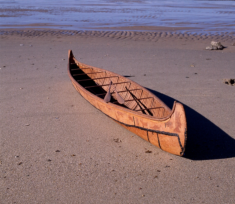
One of the earliest vessels used by humans, canoes were resourceful for transportation along rivers and coasts, and some ocean travel, by many cultures across the world.
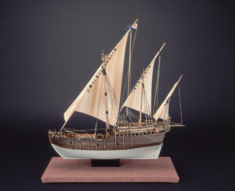
Small cargo vessel used heavily for trade, caravels were an important ship during the earliest Atlantic Ocean crossings.
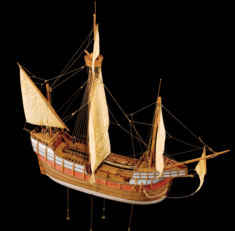
Merchant ships that helped make possible the great voyages of European exploration in the 15th and 16th centuries.
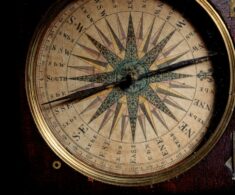
The first practical compass seems to have been made in Venice in 1274. It was a device supporting a magnetized needle over a card showing four or eight points of direction.
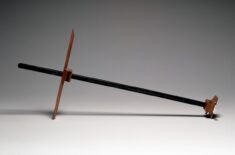
The cross-staff is an early navigational tool used to measure altitude or the distance of an object above sea level or the horizon
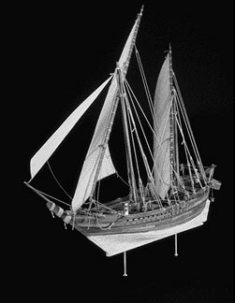
The dhow was a vessel used primarily for fishing and trade. It had triangular sails and a unique hull design.
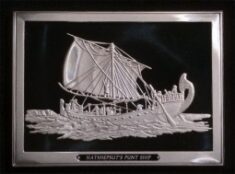
Egyptians built some of the earliest boats ever recorded. The first ones were made from papyrus reeds and propelled by rowing.
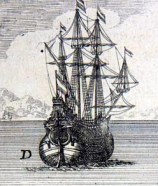
Used primarily for trade, the Fluit was adept at sailing in colder climates and had a large cargo hold.
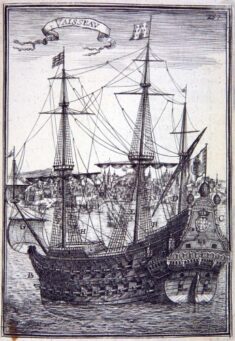
The galleon developed in the early 16th century from ships such as the caravel and the carrack.
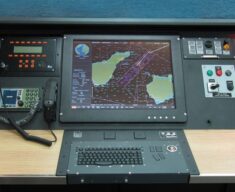
GPS uses a series of orbiting satellites that receive and send radio signals to determine location and, in some cases, speed.
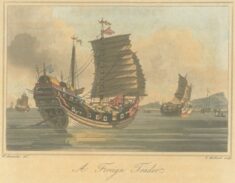
Besides having a cool name, the sturdy, lightweight junk is known for being the first ship to feature a rudder mounted on its stern for steering. The Chinese junk ship was among the most powerful and easily navigable ships in the ancient world.
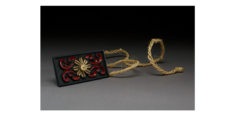
Used to indicate the distance traveled north or south, the kamal was used to guide Arab ships to port. It led to the later development of the cross-staff.
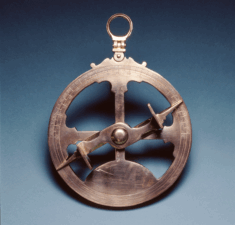
One of the oldest of all the altitude measuring devices, the astrolabe is an angle-measuring tool. Its name comes from the Greek, “to take a star.”
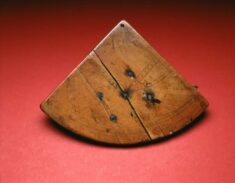
Used at sea as early as the mid 1400s, the quadrant was used by sailors to measure the height of Polaris, the Pole star.
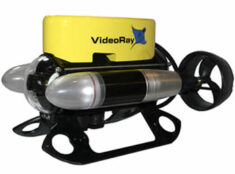
Controlled by a crew aboard a vessel on the surface, ROVs can explore and work in the deepest parts of the ocean.
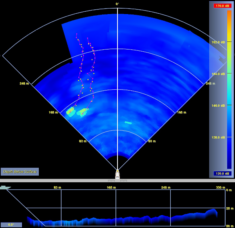
SONAR is a tool that allows ships and other vessels to find and identify objects in the water through a system of sound pulses and echoes.
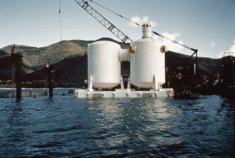
Submerged underwater, the Tektite laboratory allowed scientist to explore the ocean floor longer and more up close.
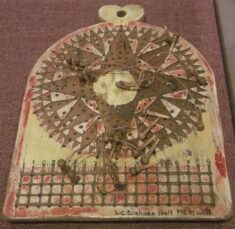
The Traverse Board was used to record the direction a ship was sailing along with the corresponding speed of the ship for the same four hour period.
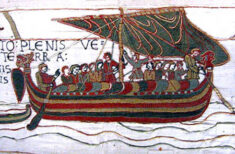
The Viking ship was a strong durable ship that allowed the Norsemen of Scandinavia sail long distances and raid far away kingdoms.