Explorer
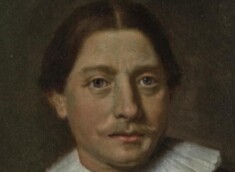
Abel Janszoon Tasman
Dutch explorer credited with being the first European to reach what are today known as Tasmania, Australia; New Zealand; and Fiji in the South Pacific.
Dutch explorer credited with being the first European to reach what are today known as Tasmania, Australia; New Zealand; and Fiji in the South Pacific.
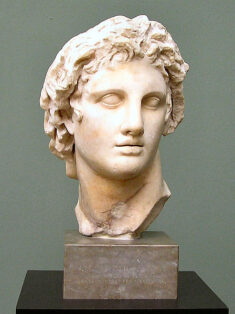
Alexander the Great is known as the creator of one of the largest empires in the history of the world.
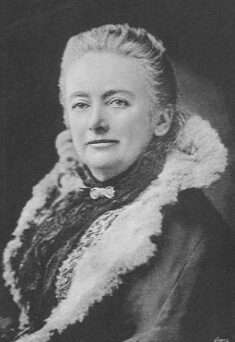
British writer and explorer who promoted the protection and preservation of ancient Egyptian sites
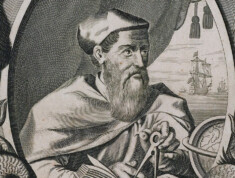
Vespucci realized the land he was exploring was a separate continent and not part of Asia, as he and many others believed at the time. The continents of North and South America are named after him.
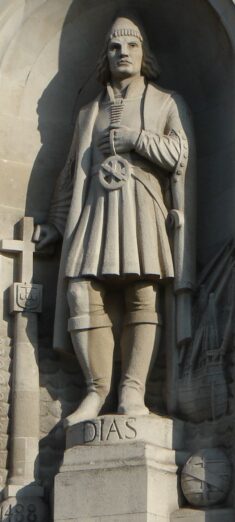
He was the first European explorer to sail around the tip of Africa, proving the Atlantic Ocean connects to the Indian Ocean, which opened opportunities for a new trade route to India.
He is credited for discovering the Americas in 1492, although we know today people were there long before him; his real achievement was that he opened the door for more exploration to a New World.
Privateer and notable explorer most remembered as the leader of the expedition to Virginia in 1606 and the establishment of the Jamestown Colony
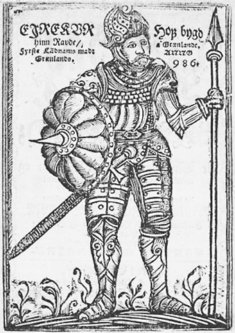
Erik the Red was the first European to land on and settle in Greenland.
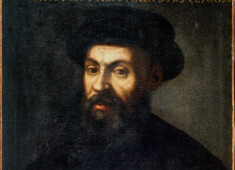
He led the first circumnavigation of the world, and is considered the first European to cross the Pacific Ocean
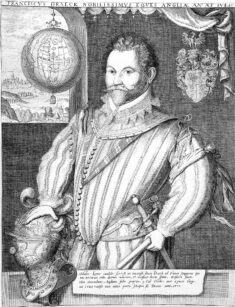
He effectively ended Spanish dominance over the seas and the New World, allowing England to become a global empire.
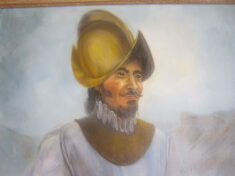
He explored the southwestern part of the United States, which helped claim the land for Spanish colonization
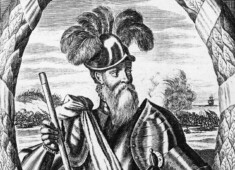
Francisco Pizarro contributed to the Spanish empire gaining control over South America by conquering the great Inca Empire in Peru
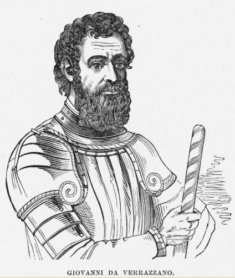
He explored much of the North American east coast from North Carolina up to Maine, and was the first European to reach present day New York
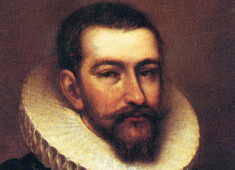
English captain and navigator who discovered the Hudson River, Hudson Strait and Hudson Bay and sailed through parts of the Arctic on his search for a Northwest Passage to China
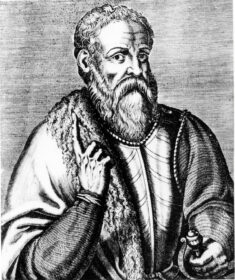
Hernán Cortés was the Spanish conquistador responsible for conquering the Aztec Empire and building Mexico City which secured Spain’s position in the New World.
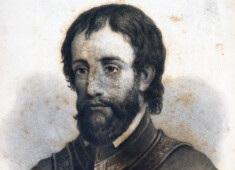
Spanish explorer and conquistador who helped conquer parts of Central and South America, explored the southeastern region of the United States, and is credited as the first European to cross the Mississippi River
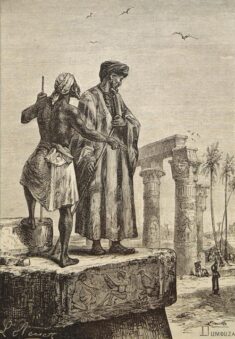
He was a Muslim explorer who made a series of journeys that spanned nearly three decades. He traveled throughout almost the entire Islamic world, and went as far as India and China.
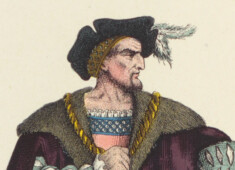
French navigator and explorer credited with naming Canada, exploring the St. Lawrence River, and Canadian areas that would become French territory
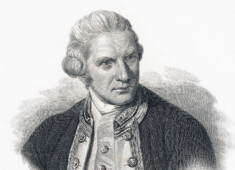
British navigator and explorer who explored the Pacific Ocean and several islands in this region. He is credited as the first European to discover the Hawaiian Islands.
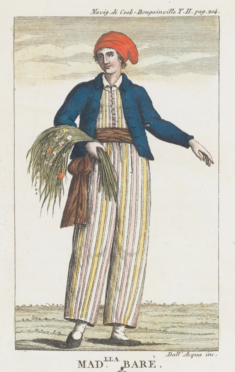
She was a French botanist and explorer. She unknowingly became the first woman to sail around the entire globe.
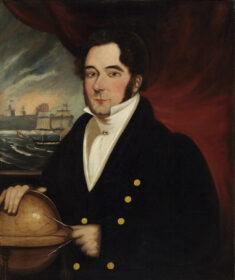
He is known for mysteriously disappearing while leading an expedition in search of the Northwest Passage, a waterway that connects the Atlantic and Pacific oceans in northern Canada
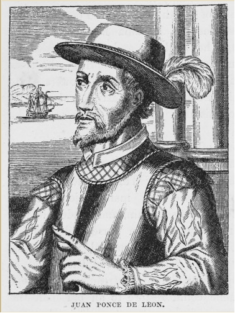
He was a Spanish explorer who became the first governor of Puerto Rico, the first European known to reach the mainland of present day United States, and he gave Florida its name.

He became the first European to land on and establish a settlement in North America. He is also credited for bringing Christianity to Greenland.
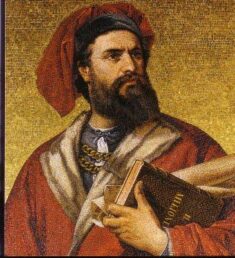
Marco Polo is known for traveling along the Silk Road to China, where he explored and documented much of Asia not yet explored by Europeans.

Oceanographer and geologist who helped create the first map of the ocean floor, proving that it was not just the flat surface most people believed it to be.
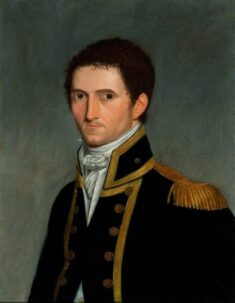
He was a leading maritime explorer of Australia. He named the continent and produced the most accurate early atlas of the geography
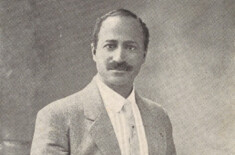
The first African-American to reach one of earth’s farthest places – the North Pole.
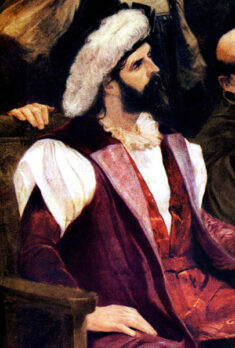
He was the first European to discover Brazil, and also established a successful sea route to India and a leader in trade there
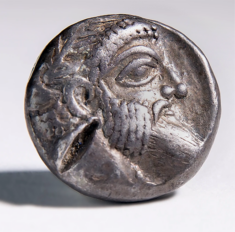
One of the earliest known seafaring cultures, the Phoenicians sailed throughout the Mediterranean Sea, into the Atlantic Ocean, establishing trade routes and great cities.
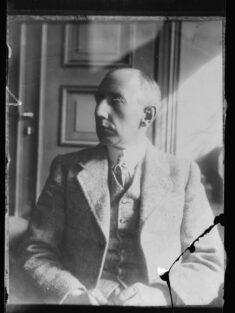
He led the first expedition to reach the South Pole and was the first person to successfully traverse the Northwest Passage.
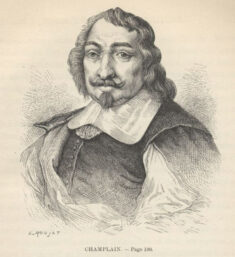
French explorer and cartographer best known for establishing and governing settlements in Canada, mapping the St. Lawrence River, discovering the Great Lakes, and founding the city of Quebec
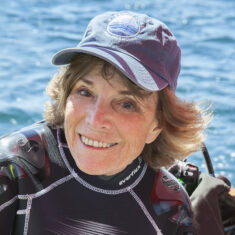
Sylvia A. Earle is an American marine biologist, explorer, and activist for protecting our world’s ocean and its inhabitants
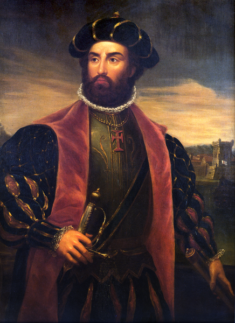
Portuguese explorer and navigator who found a direct sea route from Europe to Asia, and was the first European to sail to India by going around Africa.
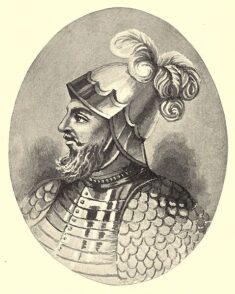
Explorer and Conquistador who was head of the first South American settlement, and the first European to discover the Pacific Ocean
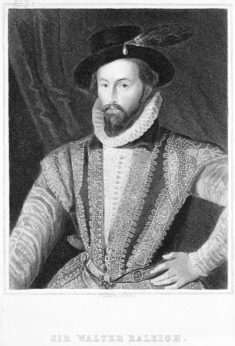
British explorer who sponsored the first attempt to found a permanent English settlement at Roanoke Island, and later sought to find the legendary city of El Dorado.
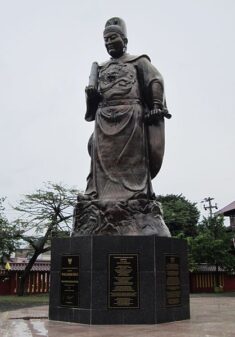
Chinese explorer who commanded several treasure fleets – Chinese ships that explored and traded across Asia and Africa. His expeditions greatly expanded China’s trade.